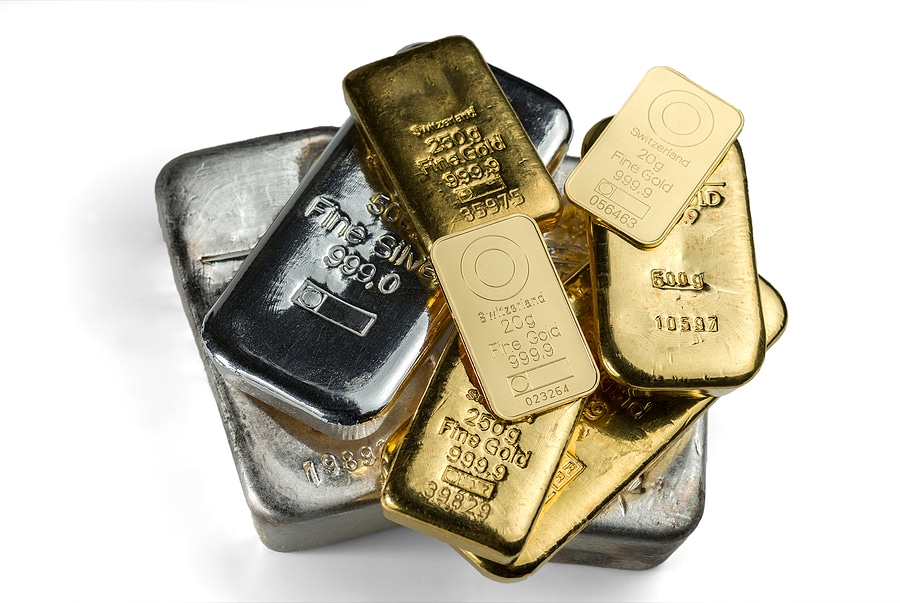
Gold is neck and neck with Treasuries to become the biggest reserve asset for foreign governments, driven by a year of explosive price gains and aggressive central bank buying.
Official holdings of gold abroad total more than 900 million troy ounces, according to data posted by World Gold Council this month. The numbers, sourced from the International Monetary Fund, refer to the end of November for most countries, though some figures are as of October.
Based on gold’s value on Nov. 30, that translates to $3.82 trillion worth of gold. That compares with the almost $3.88 trillion worth of long-and short-term Treasuries foreign governments held as of October.
“Nobody trusts anyone’s fiat currency, hence the rise in the appeal of gold and other metals,” wrote Joe Kalish, chief macro strategist at NDR in a research note on Monday. Other countries’ reserves of gold are on course to exceed the value of their Treasury holdings, according to Kalish.
“When I first started talking about this 3 months ago, the difference was pretty stark,” he wrote to Barron’s. “Today, not so much based on estimates and current pricing.”
Using year-end prices and assuming foreign central bankers haven’t reduced their stocks of gold, foreign central banks ended 2025 holding an estimated $3.93 trillion worth of gold in their reserves. That puts gold reserves ahead of holdings of Treasuries.
That gold appears to have taken the crown makes sense, considering that the price of gold rose by 66% last year.
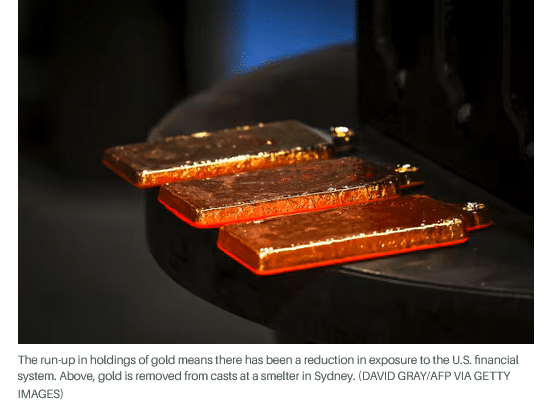
Still, the run-up in gold’s position means there has been a reduction in exposure to the U.S. financial system, be it due to the decline in the value of the dollar or to escape the risk that assets could be seized or sanctioned by the Donald Trump administration.
Gold has an appeal as a haven asset, as this week’s moves in the price illustrate. The front-month futures contract on Comex rose 1% on Tuesday, following a 2.8% gain on Monday, in response to the uncertainty created by the U.S.’s seizure of Venezuela’s president on Saturday.
The boost may be short-lived, says Michael Bradshaw, head of precious metals at Allspring, a global investment firm. Such events “are a reason to own gold but not necessarily a reason to buy gold today,” he said.
Gold’s long-term trajectory depends on a variety of factors, including U.S. monetary and fiscal policy. Lower interest rates make gold more attractive, as does higher inflation. The relative strength of the U.S. dollar, and whether central-bank buying continues are other factors to watch.
Much of Wall Street is bullish on gold, including UBS, which just reverted to an “overweight” call on gold. Capital Economics has taken the other end of the stick, predicting gold will decline in 2026.
The “latest break-neck rally in prices has been driven largely by western retail investment demand, which could dissipate quickly,” the firm said. Especially “if our view that the Fed cuts rates by less than is discounted in the market proves accurate.”
Read the full article HERE.